italki Chinese Tutors 2026: Mandarin and Cantonese Lessons That Fit Real Life | SkillQuesters
Chinese has a reputation for being hard to start, and honestly, part of that reputation is earned. Tones, characters, and completely different sentence patterns mean that an app alone rarely…
Chinese has a reputation for being hard to start, and honestly, part of that reputation is earned. Tones, characters, and completely different sentence patterns mean that an app alone rarely gets you speaking. What actually moves you forward is regular time with a real person who can hear your tones, correct them gently, and keep you talking when you want to switch back to English. italki is built around exactly that kind of practice.
italki is not a single Chinese course with one teacher and one fixed path. It is a marketplace where thousands of independent Mandarin and Cantonese teachers list their profiles, set their own prices, and teach live one-to-one lessons. You choose who you learn with, when you learn, and how much you spend, lesson by lesson.
Mandarin or Cantonese: why the choice matters
The first decision is not about price. It is about which Chinese you actually need.
Mandarin is the standard language across mainland China and Taiwan, and it is the language of the HSK exams, most business settings, and most online content. Cantonese is spoken in Hong Kong, Macau, Guangzhou, and large diaspora communities, and it sounds quite different in everyday speech. On italki you can filter specifically for each, which matters because a great Mandarin tutor is not automatically the right person for Cantonese conversation.
If you are unsure, think about who you want to talk to. Family roots or a move to Hong Kong points to Cantonese. Work, study in China, or an HSK certificate points to Mandarin.
How learning Chinese on italki actually works
You browse teacher profiles, each with an intro video, teaching style description, student reviews, a calendar, and clear pricing. Most teachers offer a discounted trial first, so you can test the fit before committing.
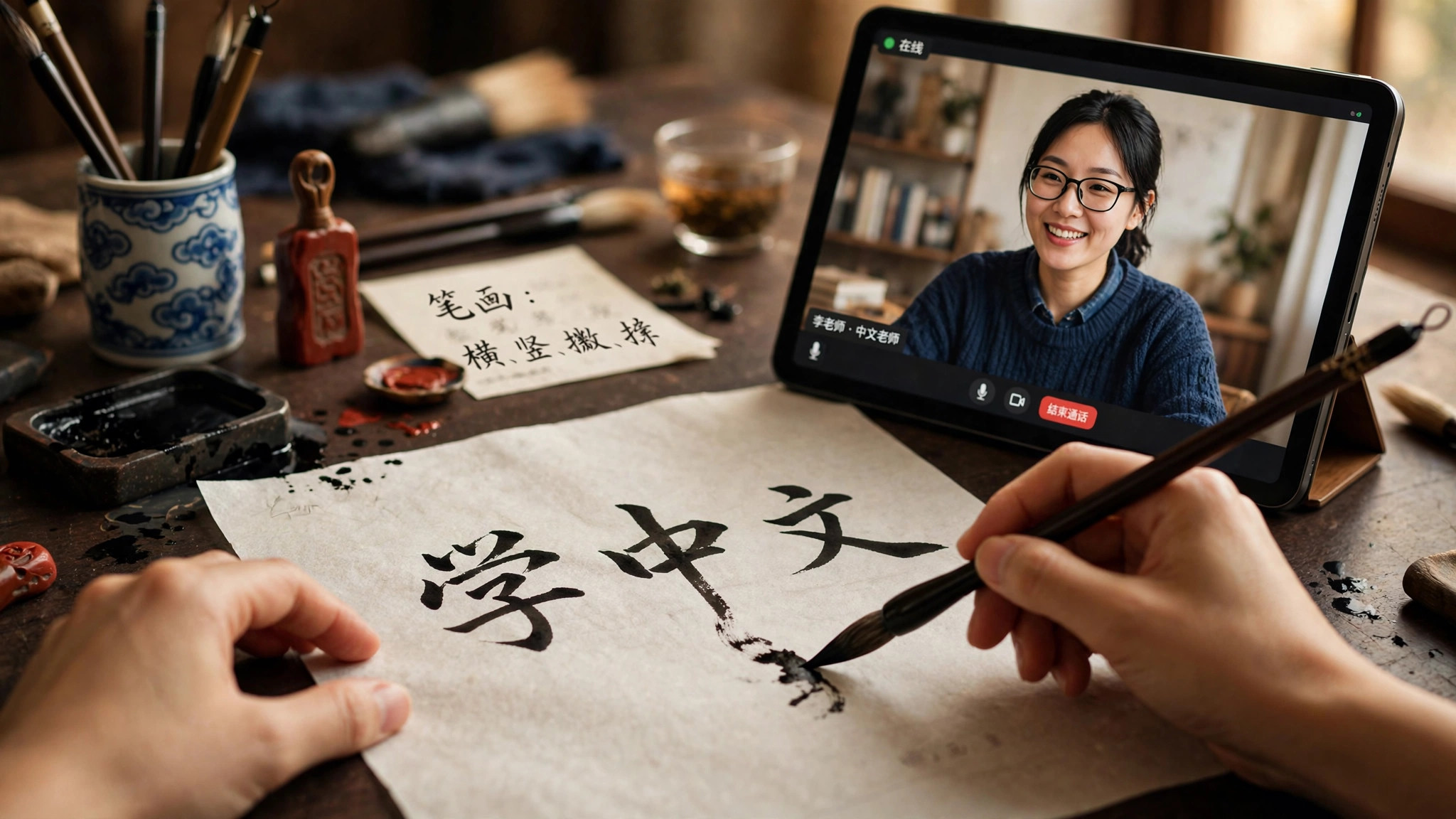
Lessons take place in the italki classroom or through Zoom or Skype, depending on what you and the teacher prefer. Some teachers run very structured sessions with textbooks, slides, and homework. Others focus almost entirely on conversation, correcting you as you go. For Chinese, that variety is a strength: beginners often need more structure and character support, while intermediate learners mainly need speaking time and tone feedback.
Payment is simple and flexible. You load italki credits and pay as you go. There is no mandatory subscription holding you to a weekly schedule, which suits people whose work or family life changes from week to week. If you find a teacher you like, you can book packages of lessons with that same person, usually at a slightly better rate than one-off bookings.
Ready to see who is actually available in your time zone? Browse Chinese tutors on italki and watch a few intro videos before you book anything.
What Chinese lessons cost on italki
Because teachers set their own rates, prices vary a lot. As a realistic guide based on the marketplace, community tutors commonly charge around $4 to $20 per hour. These are usually native or highly fluent speakers who focus on conversation practice, pronunciation help, and keeping you motivated. Professional teachers, who hold qualifications or long teaching experience, typically range from about $10 to $40 per hour, especially for structured programs or exam preparation.
Trial lessons are usually very cheap, often just a few dollars, which removes most of the risk of starting. That low entry point is honestly one of the best things about the platform for Chinese, because teacher chemistry matters even more when the language feels intimidating at first.
SkillQuesters contains affiliate links. If you purchase through them, we may earn a commission at no extra cost to you.
The HSK angle: using italki for a real exam goal
If you need an HSK score for university, work, or your own milestone, look for professional teachers who explicitly mention HSK levels in their profiles. Good exam tutors will diagnose your current level, work through listening and reading strategies, drill vocabulary in context, and run timed practice so the real test feels familiar.
A practical approach that works for many learners is a mix: one structured lesson per week focused on HSK material, plus one shorter conversation session to keep speaking natural. italki makes that mix easy because you are not locked into a single teacher or format. You can even keep one main teacher and occasionally book another voice so you get used to different accents and speeds.
Who thrives with italki Chinese, and who may struggle
italki works best if you can show up consistently, even for short sessions. Two 30-minute lessons a week will beat one heroic monthly marathon almost every time. It also helps if you are willing to use the trial system honestly: try two or three teachers, notice who makes you speak the most, and stay with that person.
It may not suit you if you want a fully prescribed curriculum where someone else decides every step and chases you to complete it. italki gives you freedom, which also means responsibility. Some learners pair it with a textbook or an HSK word list for structure, and that combination is often stronger than either approach alone.
If you are comparing languages before committing, our earlier review of italki Spanish Tutors shows how the same marketplace feels for a very different language.
Verdict
For Mandarin and Cantonese, italki is a flexible, low-risk way to get real speaking practice with native tutors at prices most private schools cannot match. Start cheap, test a few teachers, and build a routine you can actually keep: book your first Chinese trial lesson on italki.