GoLeanSixSigma Lean Training & Certification 2026: Cut Waste, Improve Flow — Without the Belt Ladder | SkillQuesters
Not everyone who wants Lean wants a belt. Belts come from Six Sigma — the statistical, defect-reduction side of process improvement — and they form a ladder you climb level…
Not everyone who wants Lean wants a belt. Belts come from Six Sigma — the statistical, defect-reduction side of process improvement — and they form a ladder you climb level by level. Lean itself is the other half of the tradition: a way of seeing waste in everyday work and redesigning flow so value reaches the customer faster, with less effort burned on the way. GoLeanSixSigma (GLSS) teaches Lean both inside its belt courses and as a standalone focus through its Lean Training & Certification. This review explains the difference, honestly, so you can pick the right door.
Lean in plain words
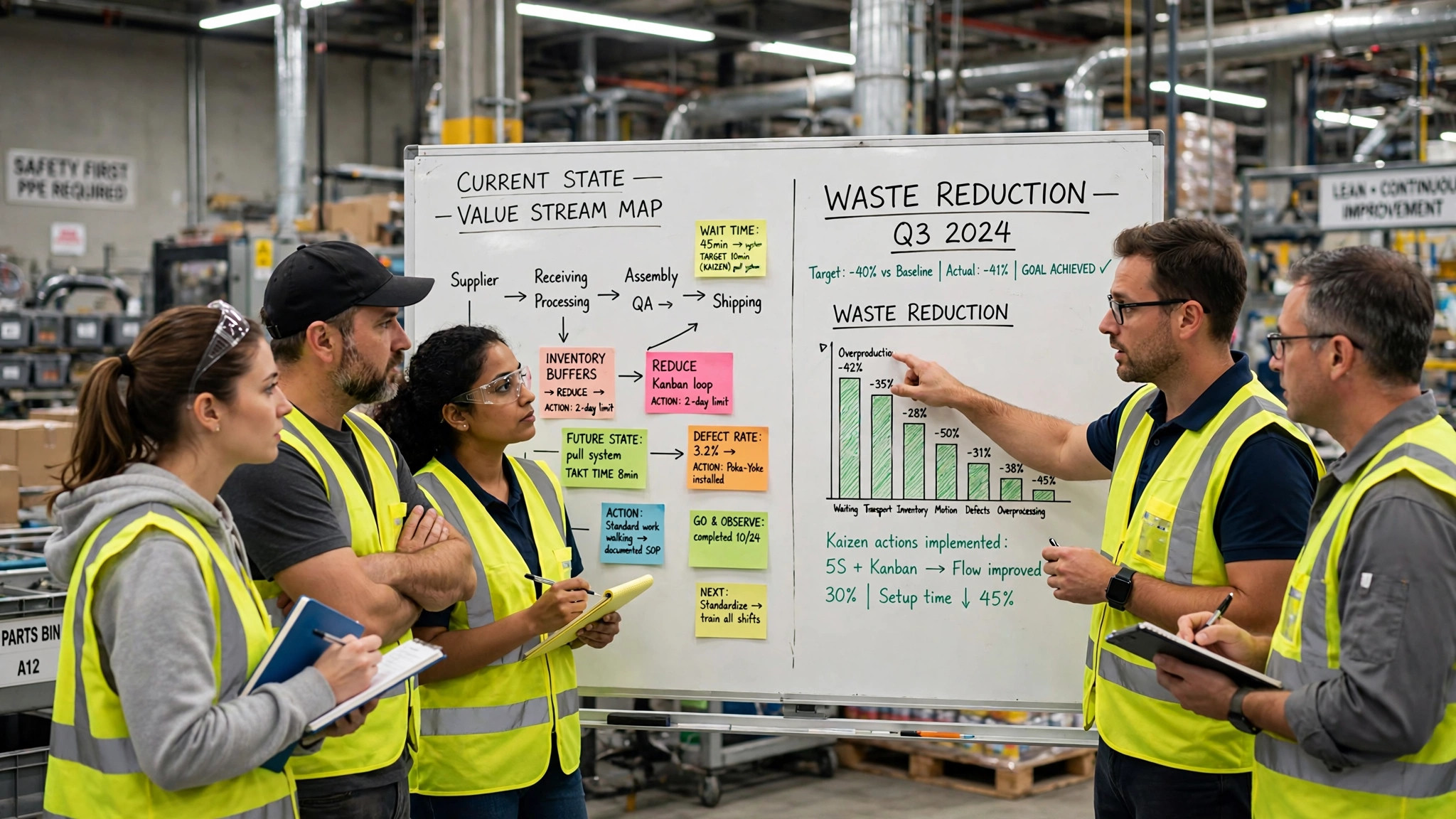
Lean starts with a simple question: which steps in our work would the customer actually pay for? Everything else — waiting, rework, excess approvals, moving things around, fixing preventable errors, overproducing “just in case” — is waste. Lean gives you methods to spot that waste, remove it safely, and keep work flowing instead of piling up between steps.
Where Six Sigma asks “how do we reduce defects and variation?”, Lean asks “how do we make the whole process flow?” Most real organizations need both, which is why GLSS combines them as Lean Six Sigma. But if your pain is delays, backlogs, handoffs, and busywork — not defect statistics — a Lean-first path may speak to you more directly than starting with belt theory.
See how GLSS structures its Lean training here: explore Lean training on GoLeanSixSigma
What GoLeanSixSigma's Lean training covers
GLSS delivers its training online and self-paced, and Lean content runs through its platform in two ways. First, Lean principles are woven into every belt level — spotting waste is core Lean Six Sigma literacy from White Belt upward. Second, GLSS offers Lean as its own training-and-certification focus for people who want the waste-reduction toolkit without committing to the full belt sequence.
Expect the practical Lean themes: understanding value from the customer's side, mapping how work actually flows today, the classic categories of waste, simplifying and standardizing work, and sustaining improvements so processes do not quietly slide back. The style is workplace-applied rather than academic — GLSS built its reputation on training people use in offices, healthcare, services, and operations, not only factories.
One honesty note on pricing: belt prices below are GLSS's published ladder, but we are not inventing a separate Lean-only price in this review. Lean training options and current pricing change; check the live course page for the exact current figure before you decide: check current Lean training details on GLSS
The GLSS ladder, for context
Lean training does not float in a vacuum at GLSS — it connects to a clear ladder (published prices, exam included at each level, recertification every 2 years):
- White Belt — free, about 30 minutes: Lean Six Sigma literacy for anyone.
- Yellow Belt — $99: support projects, run small improvements, core tools including waste-spotting in your own area.
- Green Belt — $599: lead full improvement projects with the complete DMAIC toolkit.
- Black Belt — $999: lead complex projects, coach others, deeper analysis.
If you later decide you do want a belt, starting Lean-first has not wasted your time — the concepts carry straight into Yellow and Green Belt work. Our GoLeanSixSigma Yellow Belt review walks through exactly what that $99 step adds.
SkillQuesters contains affiliate links. If you purchase through them, we may earn a commission at no extra cost to you.
Honest pros
- Direct hit on the most common pain. Most teams drown in waiting and rework long before they need advanced statistics. Lean addresses that first.
- Online, self-paced, practical. Learn in short sessions and apply ideas to your real process the same week.
- No dead end. Lean concepts are the foundation of the GLSS belt ladder, so today's Lean training becomes tomorrow's head start.
- Accessible entry. If belts feel intimidating, Lean's everyday language — waste, flow, handoffs — is an easier first step for whole teams.
Cons and honest limits
- Lean alone is not the whole method. If your core problem is defect rates and process variation, you will eventually want the Six Sigma side — Green Belt territory.
- No live instructor. GLSS is built for self-paced online learning; people who need classroom pressure should weigh that honestly.
- Certification maintenance. GLSS certifications run on a two-year recertification cycle, so any credential you earn needs renewal to stay current.
- Results depend on application. A certificate changes nothing by itself; Lean pays back only when you map a real process and actually remove waste from it.
Lean training or a belt — which should you choose?
Choose the Lean focus if your work is clogged with delays, approvals, and handoffs, and you want tools to fix flow now without a long certification ladder. Choose Yellow Belt if you want a recognized credential plus project-support skills for a modest step up. Choose Green Belt if you will personally lead improvement projects and need the full statistical toolkit.
A practical sequence many readers follow: take the free White Belt to learn the shared language, then decide between the Lean focus and Yellow Belt with real experience instead of guesswork.
Verdict
GoLeanSixSigma's Lean training is the right door for people whose problem is waste and flow, not statistics: practical, online, and connected to a respected certification ladder if you want to go further. Start free, look at the current Lean options and price on the official page, and pick the depth that matches your actual job: begin on GoLeanSixSigma